
Carbon Oxygen Demand Standards

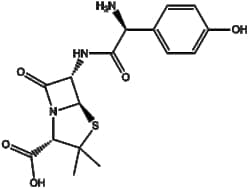
Apexbio Technology LLC Amoxicillin 26787-78-0 10g
Amoxicillin (26787-78-0) is a small-molecule inhibitor targeting bacterial penicillin-binding proteins (PBPs) It is designed to disrupt bacterial cell wall biosynthesis thereby impairing peptidoglycan cross-linking and compromising cell wall integrity Amoxicillin exerts its biological activity primarily through inhibition of PBPs interfering with the processes critical to bacterial cell wall formation In in vitro studies Amoxicillin demonstrates inhibitory activity with IC50 values ranging from 0 1 to 5 g/mL depending on experimental conditions and organism susceptibility Based on these pharmacological properties Amoxicillin holds research potential in studies of bacterial infection mechanisms antimicrobial responses and resistance development

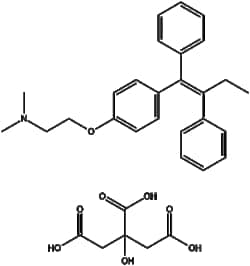
Apexbio Technology LLC Tamoxifen Citrate 54965-24-1 10g
Tamoxifen Citrate (CAS 54965-24-1) is a small-molecule antagonist targeting estrogen receptors (ER) It is designed to competitively bind ER thereby modulating estrogen-mediated signal transduction Tamoxifen Citrate exerts its biological activity primarily by inhibiting the transcriptional activity of estrogen-responsive genes leading to reduced synthesis of factors related to cell growth and angiogenesis In in vitro studies Tamoxifen Citrate demonstrates inhibition of cell proliferation with reported IC50 values typically ranging from 3 to 7 M depending on cell line and experimental conditions Based on these pharmacological properties Tamoxifen Citrate holds research potential in studies of estrogen receptor-dependent signaling pathways and anti-tumor strategies particularly in breast cancer models


TARGETMOL CHEMICALS INC DESCHLOROCLOZAPINE 25MG
Also available in 5 mg 10 mg 50 mg 100 mg 1 mL 10 mM (in DMSO) and bulk. Please contact Fisher for quotes. Deschloroclozapine a metabolite of Clozapine is a highly potent muscarinic DREADDs agonist. Deschloroclozapine binds to DREADD receptor subtypes hM3Dq and hM4Di with Ki of 6.3 and 4.2 nM respectively. purity: 99%

Apexbio Technology LLC PTP Inhibitor I 2491-38-5 10g
PTP Inhibitor I (CAS 2491-38-5) is a small molecule inhibitor targeting protein tyrosine phosphatases (PTPs) specifically SHP-1 and PTP1B with inhibition constants (KI) of 43 M and 42 M respectively As an -bromoacetophenone derivative it acts as a neutral phosphotyrosine mimetic covalently modifying the active site cysteine of PTPs Structure-activity studies indicate that modifications to the phenyl ring moderately affect potency while para-substituted peptidyl groups can enhance both potency and selectivity PTP Inhibitor I is utilized in vitro for mechanistic studies of PTP function related to diabetes neurodegenerative disorders immune regulation and pathogen virulence Animal and clinical data are not available
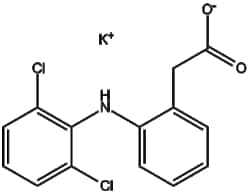
Apexbio Technology LLC Diclofenac Potassium 15307-81-0 10g
Diclofenac potassium (CAS 15307-81-0) is a synthetic small molecule belonging to the nonsteroidal anti-inflammatory drug (NSAID) class It functions primarily by inhibiting cyclooxygenase (COX) enzymes thereby reducing the synthesis of prostaglandins involved in inflammation and nociception Through this mechanism diclofenac potassium attenuates inflammatory responses and mediates analgesic effects It is frequently utilized in biomedical research to study inflammatory pathways investigate mechanisms of pain modulation and evaluate anti-inflammatory interventions in cellular and preclinical models
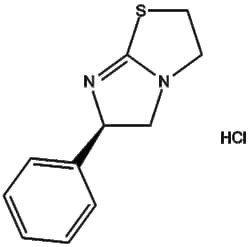
Apexbio Technology LLC (-)-Tetramisole 16595-80-5 10g
(-)-Tetramisole is an immunomodulatory agent that stimulates nicotinic acetylcholine receptors leading to the activation of T-lymphocytes macrophages and phagocytic cells to enhance cell-mediated immune responses (-)-Tetramisole exerts its biological activity primarily through activation of nicotinic acetylcholine receptors Additionally it is utilized in the investigation of epigenetic regulation pathways involving lysine-specific demethylase 1 (LSD1) serving as a research tool to study chromatin modulation mechanisms and gene expression control Based on these pharmacological properties (-)-Tetramisole holds research potential in immunological signaling studies and tumor biology
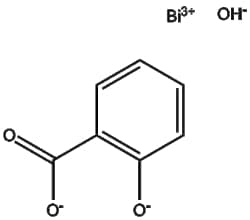
Apexbio Technology LLC Bismuth Subsalicylate 14882-18-9 10g
Bismuth subsalicylate (CAS 14882-18-9) is a small molecule compound clinically employed in the management of gastrointestinal disturbances including diarrhea heartburn indigestion and nausea Its pharmacological activity involves a dual mechanism the bismuth component exerts antimicrobial and protective effects on the gastrointestinal mucosa while the salicylate moiety inhibits intestinal prostaglandin synthesis thereby reducing inflammation and intestinal secretions Bismuth subsalicylate is utilized in biomedical research to investigate gastrointestinal barrier function host microbe interactions and inflammatory pathways relevant to digestive disorders
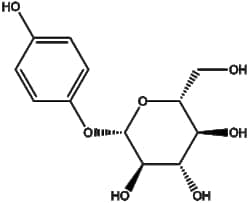
Apexbio Technology LLC Arbutin 497-76-7 10g
Arbutin (CAS 497-76-7) is a naturally occurring glycosylated hydroquinone primarily isolated from bearberry (Arctostaphylos uva-ursi) leaves It acts as a competitive inhibitor of tyrosinase an enzyme central to melanin biosynthesis thereby modulating pigment production in biological systems Arbutin is extensively studied in cellular and biochemical assays investigating melanogenesis oxidative stress and potential antimelanogenic therapies Its ability to regulate melanin synthesis has made it a valuable research tool in dermatology cosmetic science and pharmacological studies focused on hyperpigmentation and related disorders The compound should be stored in a sealed cool and dry environment to maintain stability
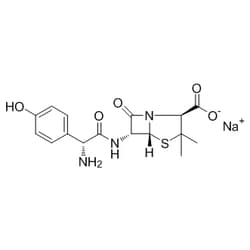
Apexbio Technology LLC Amoxicillin Sodium 34642-77-8 10g
Amoxicillin Sodium (CAS 34642-77-8) is a small-molecule inhibitor targeting bacterial cell wall biosynthesis It is designed to disrupt peptidoglycan formation thereby compromising bacterial cell wall integrity Amoxicillin Sodium exerts its biological activity primarily through inhibition of peptidoglycan biosynthesis leading to bacterial lysis and cell death In in vitro studies Amoxicillin Sodium demonstrates broad-spectrum antibacterial inhibitory activity with IC50 values ranging from 0 1 g/mL to 10 g/mL depending on bacterial strain variability and experimental conditions Based on these pharmacological properties Amoxicillin Sodium holds research potential in bacterial physiology characterization antibiotic resistance evaluations and in vitro infection modeling studies
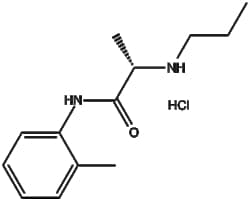
Apexbio Technology LLC Prilocaine hydrochloride 1786-81-8 10g
Prilocaine hydrochloride (CAS 1786-81-8) is a local anesthetic belonging to the amino amide class It functions by reversibly inhibiting voltage-gated sodium channels on neuronal cell membranes thereby blocking the initiation and propagation of nerve impulses This property makes it suitable for investigating neuronal excitability pain signaling and ion channel pharmacology in various preclinical models Prilocaine hydrochloride is commonly employed in studies requiring local anesthesia and serves as a reference compound for benchmarking novel anesthetic agents in research settings

Apexbio Technology LLC Solutol HS-15 61909-81-7 10g
Solutol HS-15 (CAS 61909-81-7) is a nonionic surfactant composed of polyethylene glycol esters of 12-hydroxystearic acid Functioning by enhancing solubilization and membrane permeability Solutol HS-15 increases the aqueous solubility and bioavailability of poorly water-soluble compounds It facilitates transmembrane transport and promotes drug absorption by improving drug stability and modulating drug release profiles Due to its favorable biocompatibility and low cytotoxicity Solutol HS-15 is widely utilized as a pharmaceutical excipient in formulation research particularly for the delivery and controlled release of hydrophobic therapeutics
Apexbio Technology LLC L-Acetylcarnitine (hydrochloride) 5080-50-2 10g
L-Acetylcarnitine (hydrochloride) (CAS 5080-50-2) an acetylated derivative of L-carnitine facilitates the mitochondrial uptake of acetyl-CoA supporting fatty acid oxidation and energy metabolism It enhances acetylcholine synthesis and contributes to membrane phospholipid and protein production In vitro L-acetylcarnitine reduces SKOV-3 ovarian cancer cell proliferation at higher concentrations without affecting CA-125 or nerve growth factor receptor expression In vivo studies demonstrate its rapid and sustained antidepressant-like activity in rodent models linked to epigenetic upregulation of mGlu2 (Grm2) receptors L-acetylcarnitine is utilized in research focusing on metabolism neurobiology and psychiatric disorders